

Discover how you lead, then learn how to expand your range.
Scroll through LinkedIn or listen to many leadership podcasts and you hear the same things again and again:
- “Successful leaders start their day at 5 AM.” (and probably do a polar plunge, meditate, and eat 30 grams of protein all before their first call of the day)
- “The fastest way to spot a successful leader? They make speedy decisions.”
- “Good leaders publicly recognize individuals for a job well done.”
I hate that so many people hear these kinds of things and conclude, “That’s not me. I guess I’m not cut out to be a leader.” Leadership comes in far more shapes and styles than the narrow profile we repeatedly hear about. We need people like you to be a leader.
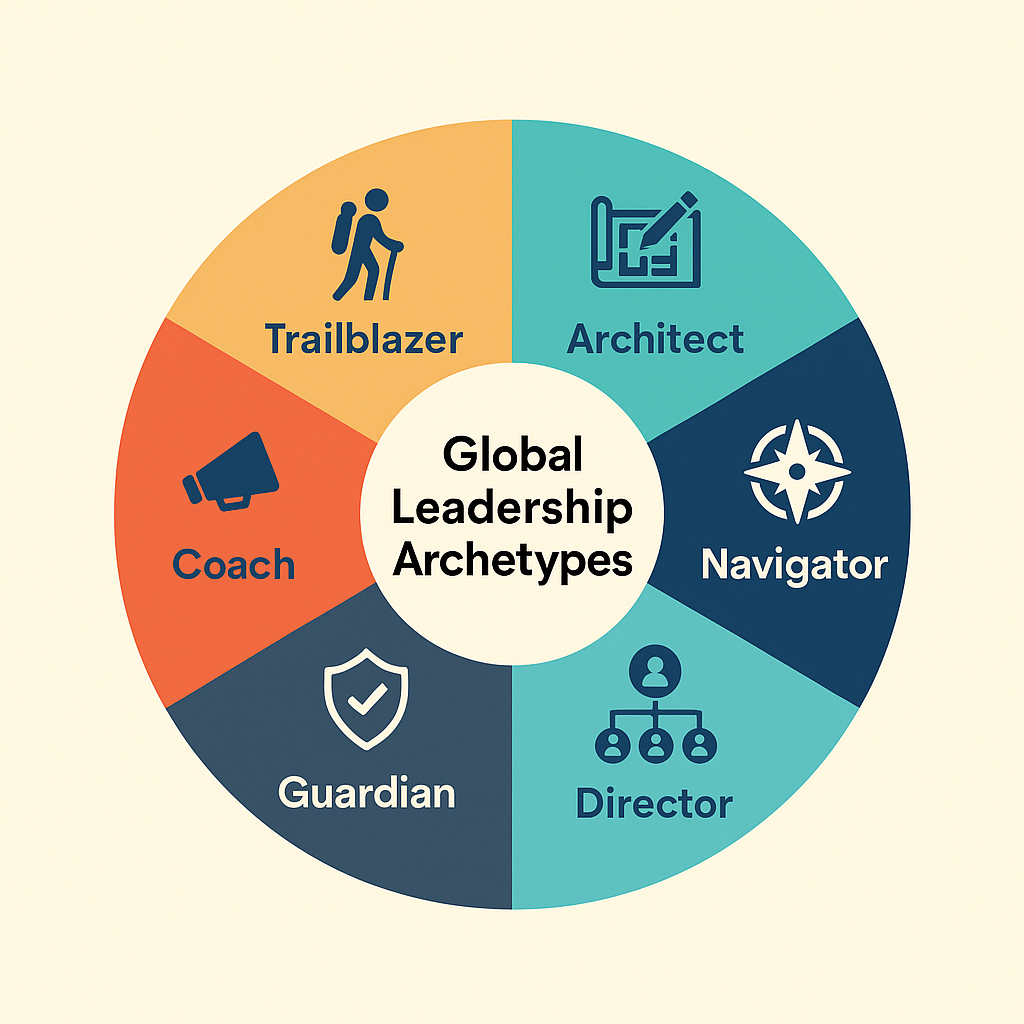
The over-emphasis on one kind of leadership style is what drove me to study the different leadership approaches used to lead organizations and teams across the world. In last month’s article, I shared the six global leadership archetypes that emerged from our research and we’ve begun rolling out the PRISM Leadership Profile that allows anyone to discover their leadership archetype.
Leadership development begins with recognizing there are many effective ways to lead. The next step is understanding your dominant leadership style. And then comes the fun part—expanding your range so you can draw from other leadership styles when the situation requires it.
Why Self-Awareness is Not Enough
Understanding your dominant approach to decision-making, communication, and building team culture is critical. And it’s particularly valuable for individuals who don’t fit the charismatic, direct, leadership profile we always hear about. But self-awareness is just the first step.
Many leaders overuse the strengths of their primary leadership archetype.
- Trailblazers might default to the big picture when a team needs detail
- Architects can slow down innovators with too much process
- Coaches may avoid authority even when the team needs a unilateral decision
- Guardians might create psychological safety at the expense of intellectual honesty
- Directors may bring clarity but silence ideas
- Navigators might solve problems before identifying the root cause
The most effective leaders understand the strengths and growth opportunities that come with their dominant leadership archetype. Then they learn how to adjust the way they communicate, make decisions, and build trust.
The Future of Global Leadership is Range
Your leadership archetype is not a straitjacket. We all have the ability to expand our range into other styles when the moment calls for it. The goal is to be fully yourself while broadening the behaviors you can use to lead anyone, anywhere. You amplify your strengths by adjusting how you lead.
Here are three pillars of leadership range:
1. Recognize where your archetype works and where it falls short
My egalitarian, democratic approach works well with people who thrive on autonomy and speaking up. But I can inadvertently make others feel excluded if they want to work more collaboratively and co-create solutions. Our research identified where each archetype thrives and a couple areas they need to watch out for, insights included in the PRISM Leadership Profile.
One executive I was working with clearly fit the “Coach” leadership archetype. She leads by listening, asking questions, and providing her team with the resources they need to succeed in their own leadership quests. When talking about leading a highly competent team spread across the world, she said, “My inner core is the only constant in an environment where everything else is constantly shifting. But I’m learning to be more flexible in how I express what’s core to me.” She went on to share that owning her mistakes is a deeply held value for her. But she realized that repeatedly apologizing to her Asia-based team created embarrassment and signaled a loss of face. The value didn’t change, but she adjusted how she expressed that value based on the context. Her actions following a misstep were a more effective way of demonstrating that she owned the mistake than saying much about it publicly did.
2. Practice perspective-taking with the other leadership archetypes
Perspective-taking is the ability to see a situation through someone else’s lens. We do it all the time. Where would they like to go for dinner? What will make this negotiation appealing for them? It’s a core leadership capability and it’s a critical way to expand your range.
By learning the six leadership archetypes, leaders can select one that is different than theirs and use perspective taking to understand how leaders (or team members!) from that archetype think about risk, communication, decision-making, and trust.
Select an archetype that differs significantly from yours and study how they see risk, speed, hierarchy, identity, and communication.
- If you’re a Director, observe how a Coach creates direction through dialogue rather than authority.
- If you’re a Navigator, notice how an Architect uses structure and processes to solve problems.
Perspective-taking builds cognitive flexibility, which is the foundation for expanding your leadership range. The goal isn’t to imitate the other archetypes but to better understand the behaviors they use and why.
3. Learn to stretch your dominant leadership style
Once we learn to see how different leaders approach the same situation, we can draw from a range of leadership styles based on what is required. This isn’t about switching identities or becoming all six types. It’s about knowing when elements of another archetype will dramatically improve outcomes rather than just using our default approach.
Trailblazers, Architects, and Coaches need to be ready to exercise a more directive style when the situation requires it. For example, even the most flat, egalitarian teams welcome a more directive approach in a crisis. Taking the time to get everyone’s input and weigh the alternatives creates uncertainty. In addition, nearly every leader will need to adjust their approach to speed, messaging, risk, and myriad other communication and decision-making dynamics based on the task, circumstances, and cultures involved. Stretching expands your impact without compromising who you are.
Here are three practical ways to expand your leadership range:
- Adjust your pace of decision making
If you typically move quickly, practice pausing for alignment. If you prefer deliberating until you reach consensus, practice deciding without everyone signing off.
- Shift your communication mode
Try using more explicit clarity when stakes are high and more nuance when relationships and saving face matter most.
- Calibrate authority and autonomy
Lean into authority when people need direction and shift toward empowerment when people need ownership.
Today’s increasingly complex, polycrisis world requires leaders who can expand their range across functions, generations, geographies, and power dynamics. This starts with understanding your dominant leadership archetype and it expands when you develop the ability to stretch into the leadership behaviors that fit the moment.
You don’t need to change who you are to lead a global team. But expanding your range will make you far more effective in the teams, organizations, and contexts where leadership is most needed.

MASTER CERTIFICATION: Deliver an innovative, fresh approach to leadership development by getting your master certification in the PRISM leadership archetypes and team profiles.
Upcoming master certifications are in January and April.