Blog
7 puzzling habits of Americans that will surprise you
As a dual citizen of the US and Canada, people often tell me what they admire, dislike, and find baffling about Americans.* Understandably, many of

As a dual citizen of the US and Canada, people often tell me what they admire, dislike, and find baffling about Americans.* Understandably, many of
Few studies have contributed more to the field of global leadership than the GLOBE Project. The data has had an enormous impact on our field,

I’m working with a leadership team in Korea right now. Their goal is to become a truly global enterprise rather than a Korean company with

Many frequent travelers revel in talking about how many miles they’ve flown, which airport lounges are best, and how they cope with jet lag. Far

Sapiens author Yuval Noah Harari says, “This is the first time in history nobody has any idea what the world will look like in 10
Javier always wanted to work for a global company. So when he received a job offer from an international tech company headquartered in the US,
I spent 15 months asking executives in Asia, the Middle East, Europe, and the US, “What keeps you awake at night?” It’s no surprise that
I can be annoyingly optimistic. I lean toward hope and positivity whether it’s my personal life, my work, or the world at large. But even
I’ve been watching the rift playing out between David and Victoria Beckham and their son Brooklyn, who publicly announced he’s cut off contact with his

In an era marked by polarization, anti-globalization, and backlash against diversity efforts, many wonder what the future of cultural intelligence looks like. I’m confident cultural
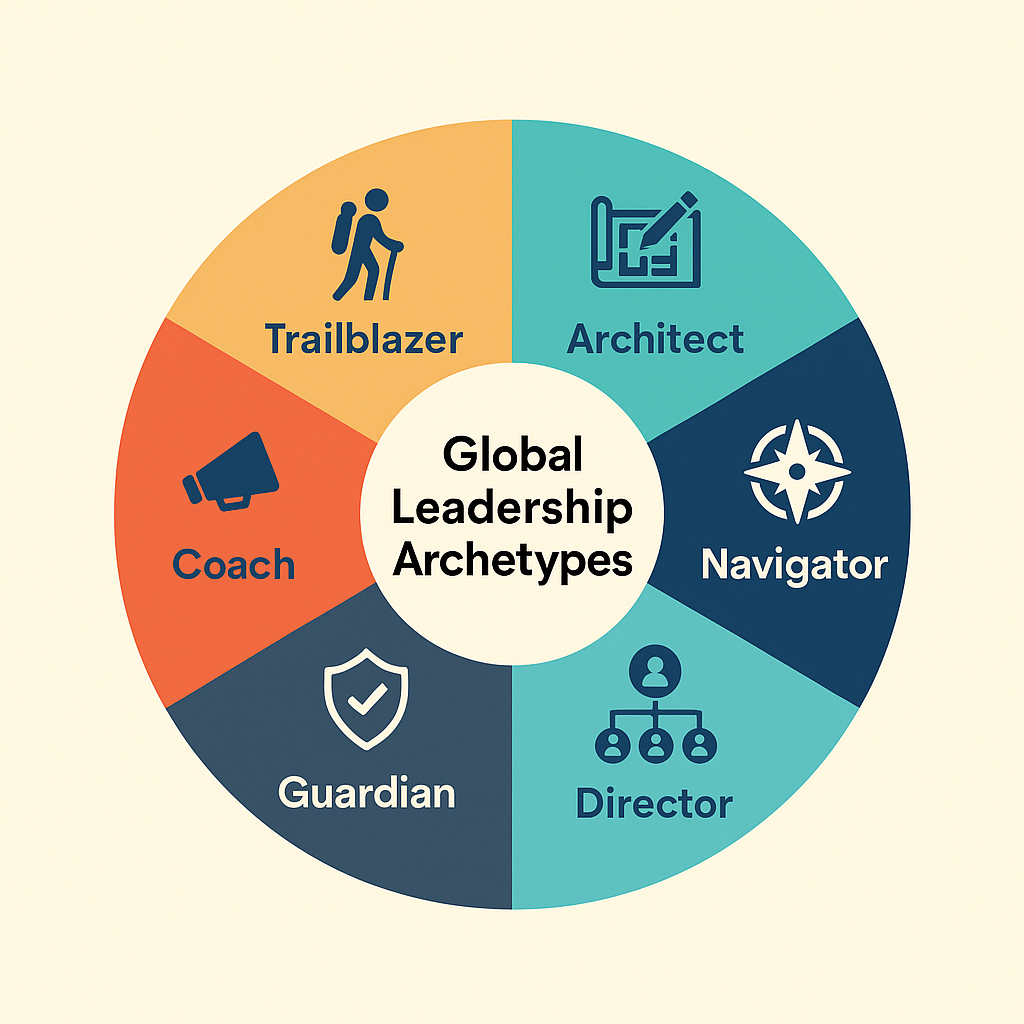
Discover how you lead, then learn how to expand your range. Scroll through LinkedIn or listen to many leadership podcasts and you hear the same
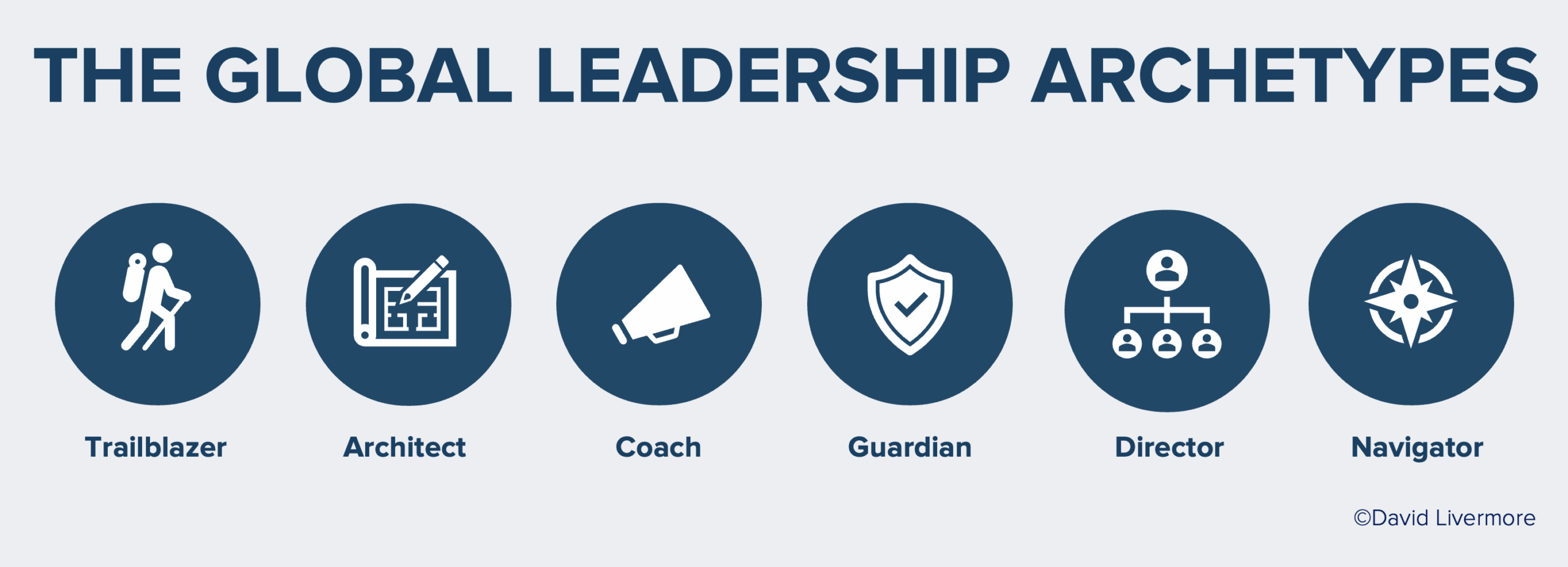
90 percent of leadership literature is biased toward one kind of leader—decisive, assertive, fast-paced, and individualistic. Yet most of the world prefers a different kind
Most of us appreciate the clarity that comes from learning about broad cultural norms: Indians prefer hierarchy. Germans prefer directness. Brazilians are expressive. Yet we’re
There’s a running joke in our family about the number of countries where I’ve gotten a speeding ticket. The most embarrassing was getting pulled over

Guest post by CQ Fellow Jennifer Izekor | CEO & Founder, Above Difference “The only constant is change.” Earlier this year, the UK Government launched
A growing number of consultants and organizations are talking about cultural intelligence (CQ). I’m thrilled. After more than twenty years of working to bring attention
I was recently speaking with a Singapore-based executive whose team spans six nationalities and four generations. “The complexity of leading global teams is getting harder,”
Guest post by CQ Fellow Trisha Carter Recently, I’ve found myself reflecting on a paradox that lies at the heart of cultural intelligence: Cultural intelligence
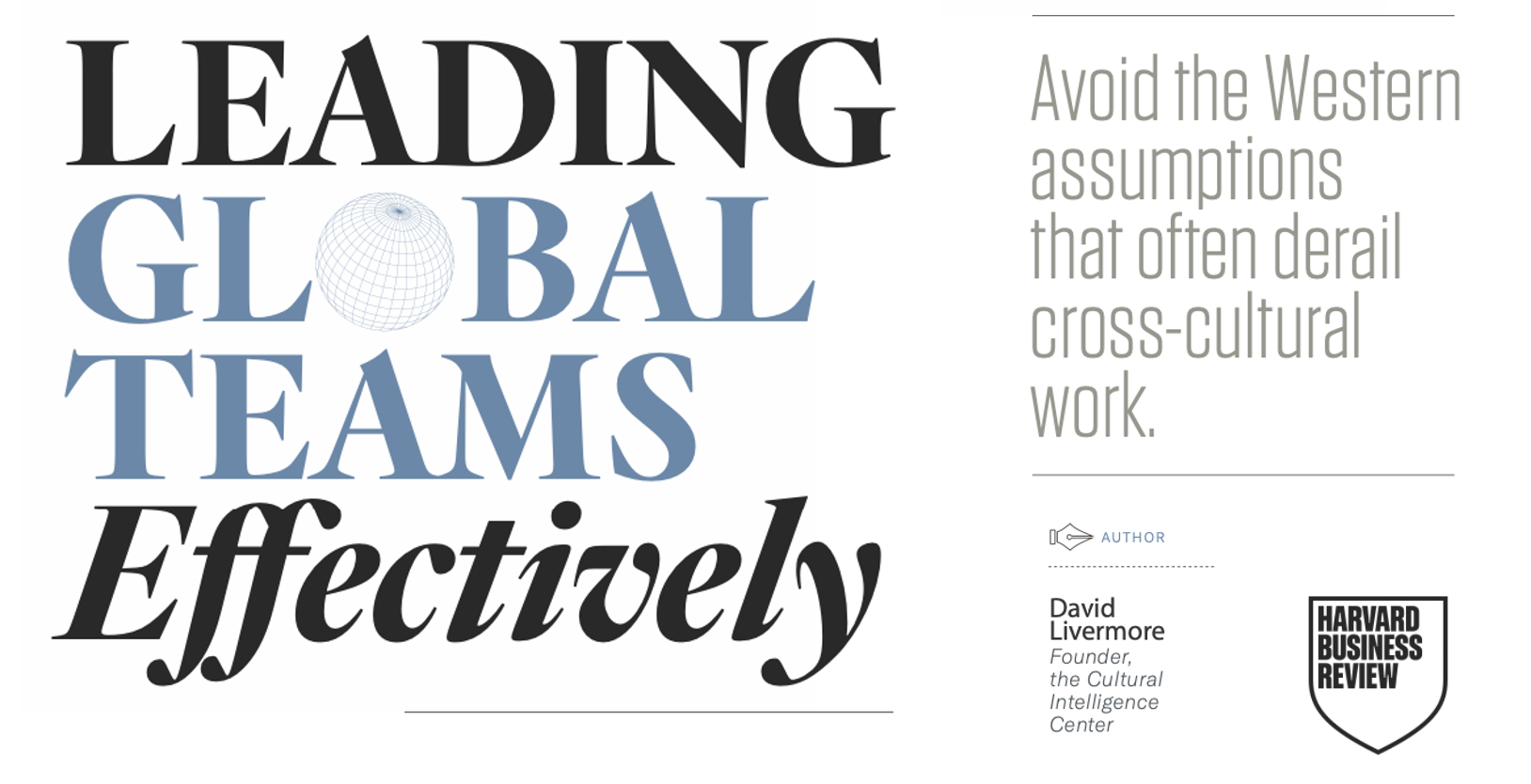
The majority of leadership advice tells leaders to prioritize autonomy, transparency, and “speaking up.” But these same practices can backfire on global teams shaped by
I recently took a week-long break from the news. I had to. I was mentally exhausted. It’s ironic given that I recently wrote, “You can’t
David Livermore shares five things that people with low cultural intelligence say.
By David Livermore and Okthalia Adams The speed and efficiency provided by ChatGPT is a blessing and a curse. It can help managers draft emails,

You may have very high CQ, but the organization where you lead significantly determines whether your cultural intelligence makes much difference. Imagine assuring a European
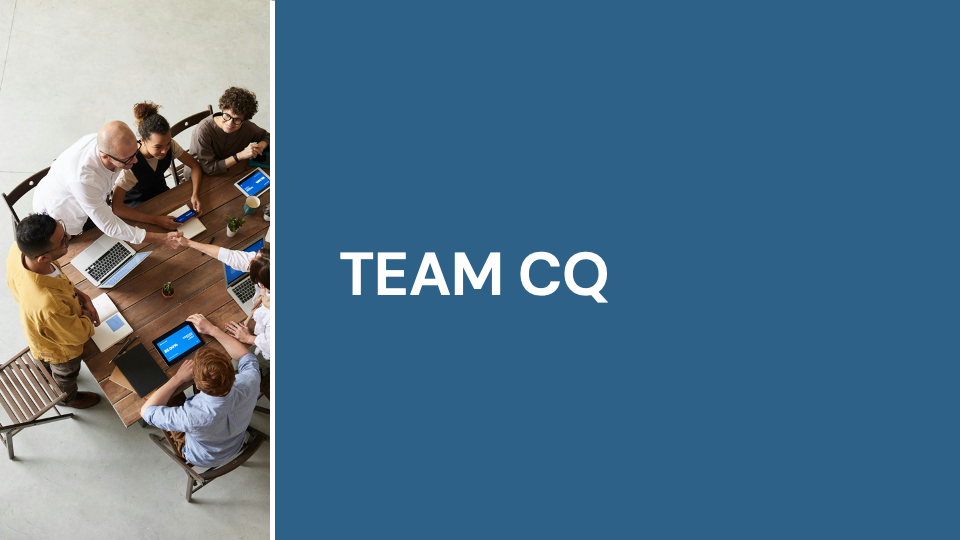
The world is run by teams. Teams build our houses and produce our food. They perform surgeries, teach kids, and run governments, schools, and companies.

Cultural intelligence, or CQ, is a stronger predicter of leadership success in diverse, complex environments than IQ, EQ or lived experience. But where should leaders
Scroll through many articles in Forbes, Fast Company, and even Harvard Business Review and you get the sense that leadership is a universal skill set that includes 5:00 a.m.
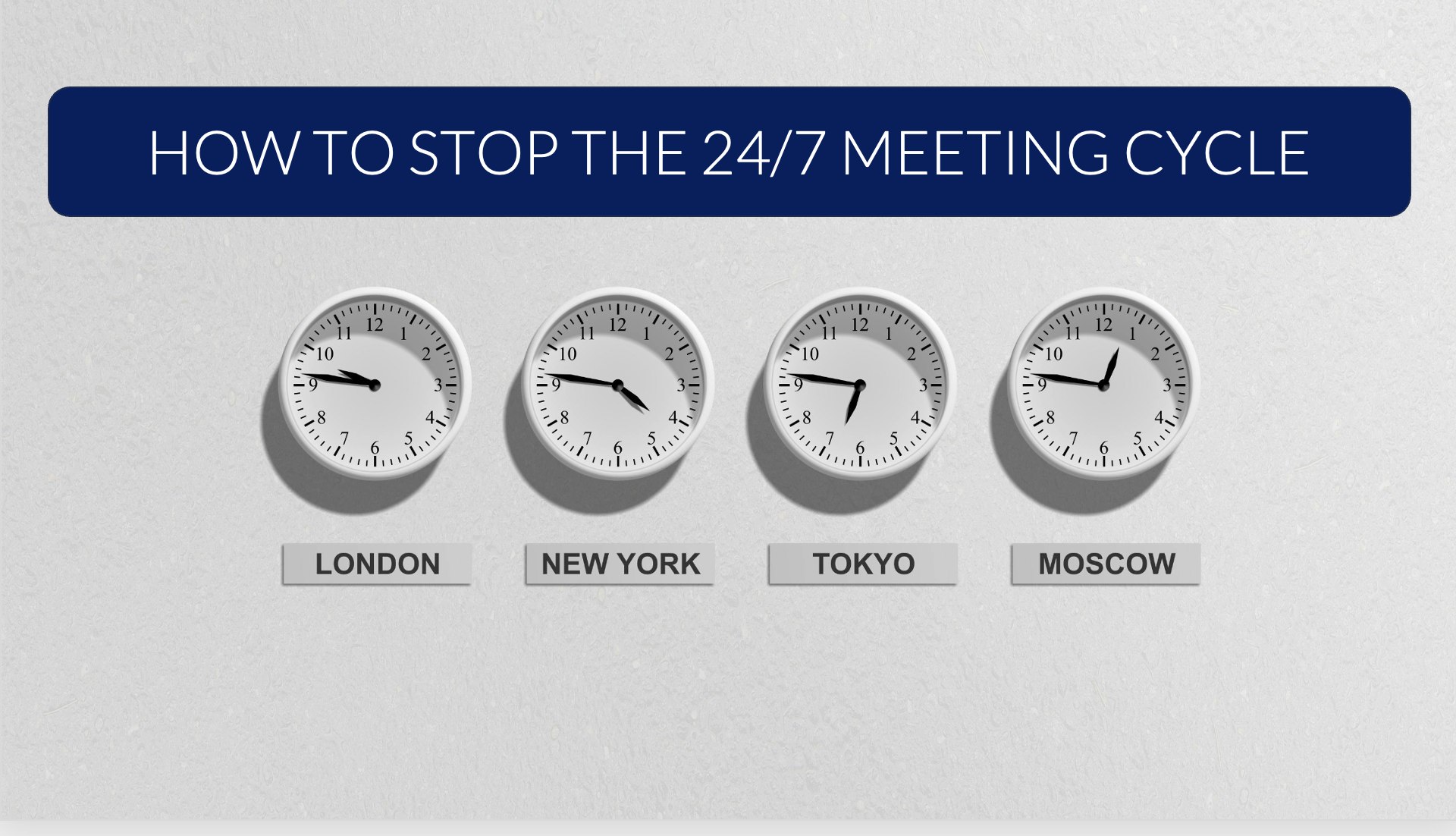
When I ask people how they feel about meetings, there seems to be a collective sigh. Regardless of our culture, region, or industry, we seem
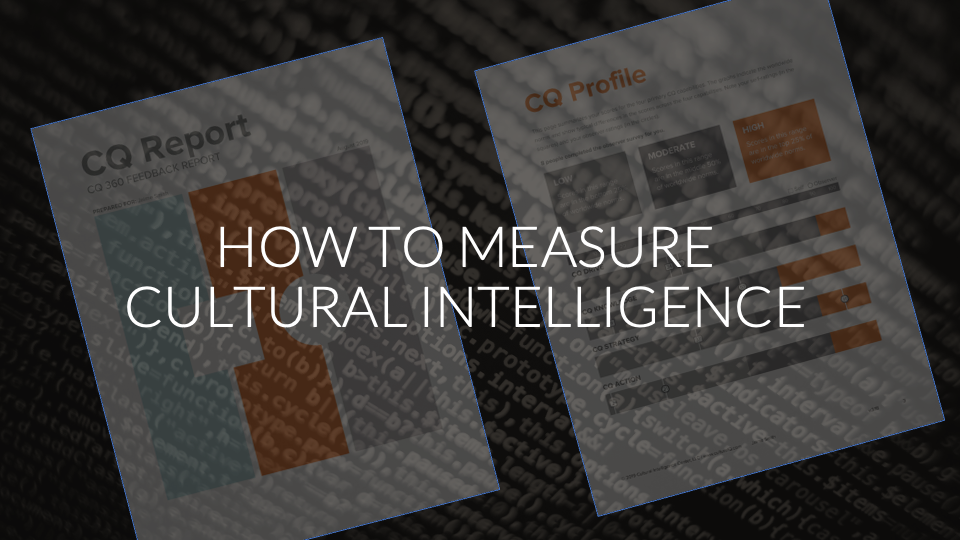
Cultural intelligence, or CQ, is the new currency of leadership in our globalized world. It’s a stronger predicter of leadership success in multicultural settings than

Imagine you’re a project manager leading a cross-functional team with four other team members:

The most popular way many educational institutions develop cultural intelligence (CQ) and global mindsets is through study abroad initiatives. These can be formative experiences, particularly

Giving and receiving feedback is difficult. None of us enjoy being criticized and no matter how positively it’s framed, constructive feedback makes most people feel
In preparation for our CQ Fellows Retreat next month, I’ve been revisiting hundreds of peer reviewed articles from more than 20 years of research on cultural intelligence. CQ

Gain insights from David Livermore on the top global trends to anticipate in 2024.

All business is global. It wasn’t always that way. But today, local start-ups, non-profits, Fortune 50 companies, hospitals, and universities all have to be mindful
One of the first questions people ask me when they hear about my work in cultural intelligence is, “How did you get involved in this
The difference in the success of emotionally intelligent leaders versus those who are blissfully unaware is mind boggling. Daniel Goleman says emotional intelligence makes a 90 percent
We repeatedly hear that diversity training can be a big waste of time and money. This not only comes from political leaders pushing an anti-woke ideology; it

There’s abundant research that repeatedly shows that diversity on a team doesn’t automatically lead to better results. Different approaches to problem solving, conflict, and communication
I was recently working with a global marketing team that was preparing a campaign for a new product launch. It was a textbook example of
Indra Nooyi is a masterful communicator. Not only does the former PepsiCo CEO speak with clarity and passion, she adapts her style for many varied
Never sit next to me at a leadership event. I’m the annoying guy mumbling, “Well that’s not actually true.” Or “Maybe. But only if everyone
Global leadership is not about geography. It’s about having the dynamic agility to lead anyone, anywhere. Many leaders understand this because it’s their daily reality. But
Covid disrupted the world of learning and development. It started by forcing us to pivot to virtual-only sessions, something that was particularly daunting when teaching

Everyone belongs to a few figured worlds and they have a profound impact on how we behave. Figured worlds are everywhere. Countries, States. Racial groups.

[Cover photo credit to Ever After Weddings] Two weeks after George Floyd was murdered, we were on our way to a family gathering in northern

Decision making is one of the most important tasks of any leader. But increased diversity makes effective decision making more difficult than ever. Here are 4 practices culturally intelligent leaders use to make more effective, inclusive decisions.

I’ve always believed cultural intelligence can help any relationship improve. But it wasn’t until I did the research that led to my book, Digital, Diverse &
I’m convinced that polarization is the number one issue facing us today. It seems like every week, there’s a new issue being raged about across
Diverse teams have a harder time trusting each other than homogenous teams do. Consequently, global leaders not only need to gain trust from diverse teams, they also
Trust in leadership is at an all-time low. A majority of people surveyed in 28 countries believe that government and business leaders are purposely misleading people. This
My earliest recollections of “cancel culture” come from growing up in fundamentalism. Jerry Falwell, the leader of the Moral Majority and founder of Liberty University,
I don’t do well with unresolved conflict. If there’s an elephant in the room, I want to address it. One of our family legends stems
Remote presentations should be designed differently than in-person ones. Here are 6 tips for giving a compelling remote presentation to a diverse audience.
Presentation skills are a critical part of being an effective leader. Whether you’re speaking to your team at a standup meeting, presenting an update at
Scroll through many articles on Forbes, Fast Company, and even Harvard Business Review and you get the sense that leadership is a universal skill set that includes 5 am
Last week, Albertsons’ CEO Vivek Sankaran said the US grocer has struggled with low inventory for months. Just about the time he thought their supply chain issues
Eleven years ago, Linn Van Dyne and I decided to build an organization that would take cultural intelligence (CQ) beyond the realm of academics and
Over the last few years, we’ve talked a lot about our research that found diverse teams typically perform worse than homogeneous teams do. Why? Because it’s harder to get
We recently crossed a ten-year milestone at the Cultural Intelligence Center. In some ways, it feels like we’re working in an entirely different universe than the one
Listen to many futurists, and you would think that robotic engineers and therapists will be the only jobs left in ten years. There’s plenty of
Ten years ago, I left my day job at a university to devote my full attention to leading the Cultural Intelligence Center. We officially incorporated
Whatever you think about the outcome of the US election, it’s clear. The US is a divided nation. The Left believes bigotry and racism are
“We’re dealing with really serious issues related to diversity, equity, and inclusion (DEI). I’m not convinced cultural intelligence is enough.” We’ve heard this more than
A global pandemic has done little to bridge our tribal divides: Maskers vs. Anti-Maskers, Nationalists vs. Globalists, Police Supporters vs. Black Lives Matter…and the list
By David Livermore, PhD My parents were Canadian. And I’ve spent a great deal of the last thirty years living and traveling across the globe.
Guest post written by Emily Livermore, Content Developer, Cultural Intelligence Center I was 10 years old the first time I visited China. I had spent
By David Livermore, PhD Someone cuts ahead of you in the security line at the airport. It’s the same woman who cut in front of
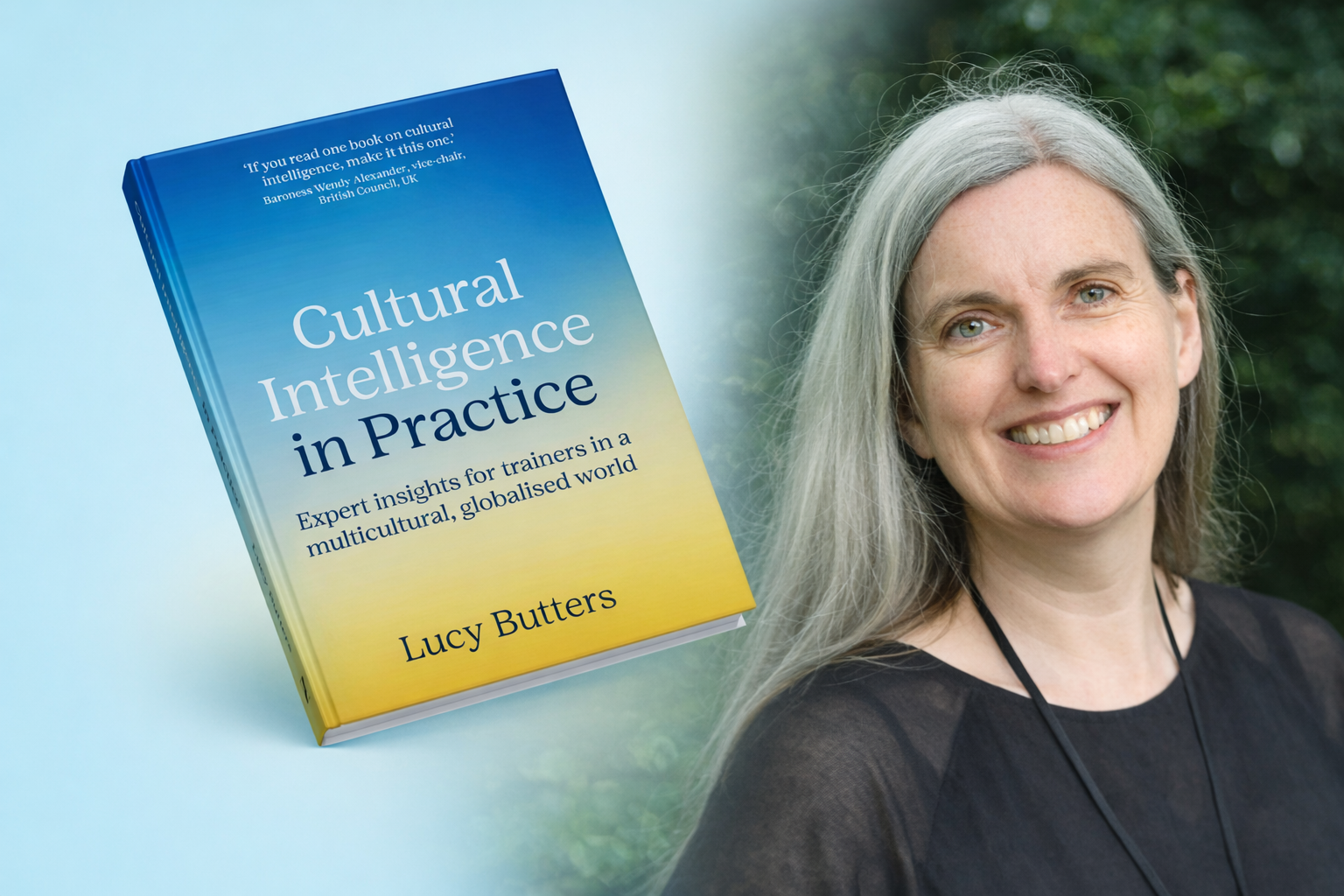
I first met Lucy Butters, author of Cultural Intelligence in Practice when she attended a Cultural Intelligence (CQ) Certification I was leading in Scotland over